Understand
Begin with the community rather than a ready-made package. The first assessment considers local needs, leadership, resources, safeguarding capacity and what families already experience when they seek support.
The Rosine Kamagaju Model
A practical pathway for creating high-quality autism support rooted in African communities.
The Rosine Kamagaju Model is conceived as a way to transfer knowledge without exporting a rigid institution. Each future partner centre would remain locally led, independently governed and accountable to the children, families and public environment of its own community.
What is shared is the discipline behind the work: trained teams, child safeguarding, family partnership, practical educational tools, supervision and a commitment to document improvement. Local adaptation is expected, but it should never become an excuse for weaker protection or unclear practice.
The result is a network based on mutual responsibility. Partners bring local legitimacy and long-term roots; the model provides a tested foundation, structured support and a quality framework that can be reviewed over time.
Begin with the community rather than a ready-made package. The first assessment considers local needs, leadership, resources, safeguarding capacity and what families already experience when they seek support.
Translate that assessment into a realistic centre: a clear purpose, defined services, responsible governance, a credible team structure and an implementation plan matched to local capacity.
Give the founding team more than theory. Training connects shared principles to educational tools, observation, family communication, procedures and the decisions staff will make in everyday situations.
Opening a centre is only the beginning. Mentoring, technical assistance and case-based supervision help teams question their practice, solve problems early and build confidence without working in isolation.
Review what families and children actually experience. Evaluation covers practice, safeguarding, family partnership, documented progress and the organisation’s ability to sustain responsible services.
Recognition is earned, renewable and conditional on continuing quality. Regular review protects the meaning of the model while giving each partner a structured path for improvement.
Individual needs, dignity, safety and meaningful progress guide decisions—not convenience, routine or a desire to make every child fit the same programme.
Families are listened to, informed in accessible language and involved in choices that affect the child’s support and daily life.
Staff receive practical training, supervision and opportunities to reflect on difficulties instead of being left to apply theory alone.
Evidence is adapted responsibly to culture, language and available resources while the purpose and quality of the intervention remain clear.
Child-protection standards are visible in governance, recruitment, reporting routes and the ordinary conduct of daily practice.
Recognition is reviewed and renewable. A partner must be able to show how it learns, responds to concerns and protects continuing quality.
The local partner brings
The partner understands the community and carries responsibility for governance, premises, staff, local permissions, trusted relationships and sustainable financing. Its role cannot be replaced by an external label.
The Rosine Kamagaju Model brings
The model brings training, procedures, educational tools, mentoring and evaluation developed from practice. It also provides a common quality language so that support can be reviewed, explained and improved.
The model in context
The method starts from situations in which children, families, educators, partners and public institutions must work together—not from a theoretical centre designed in isolation.
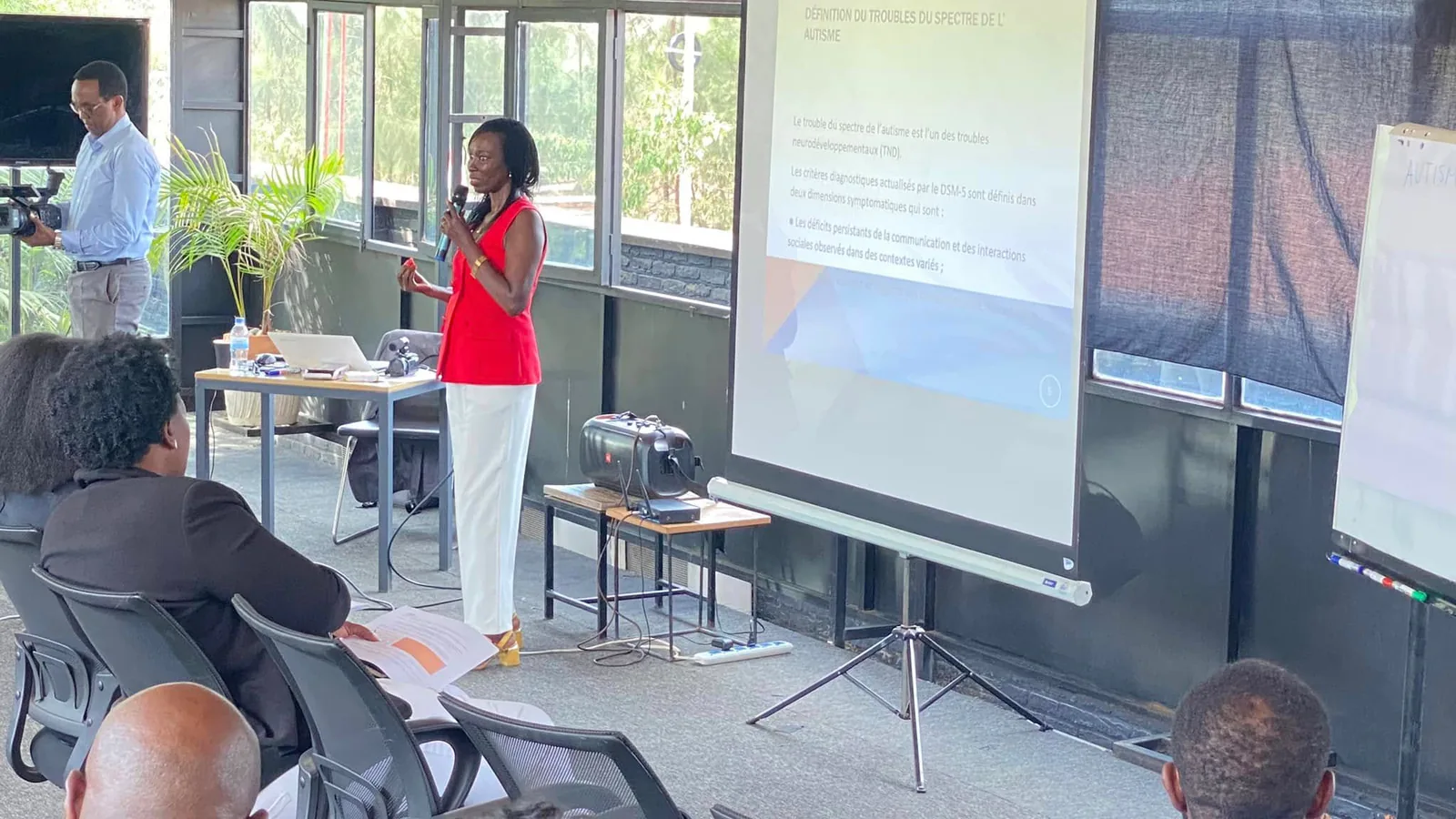
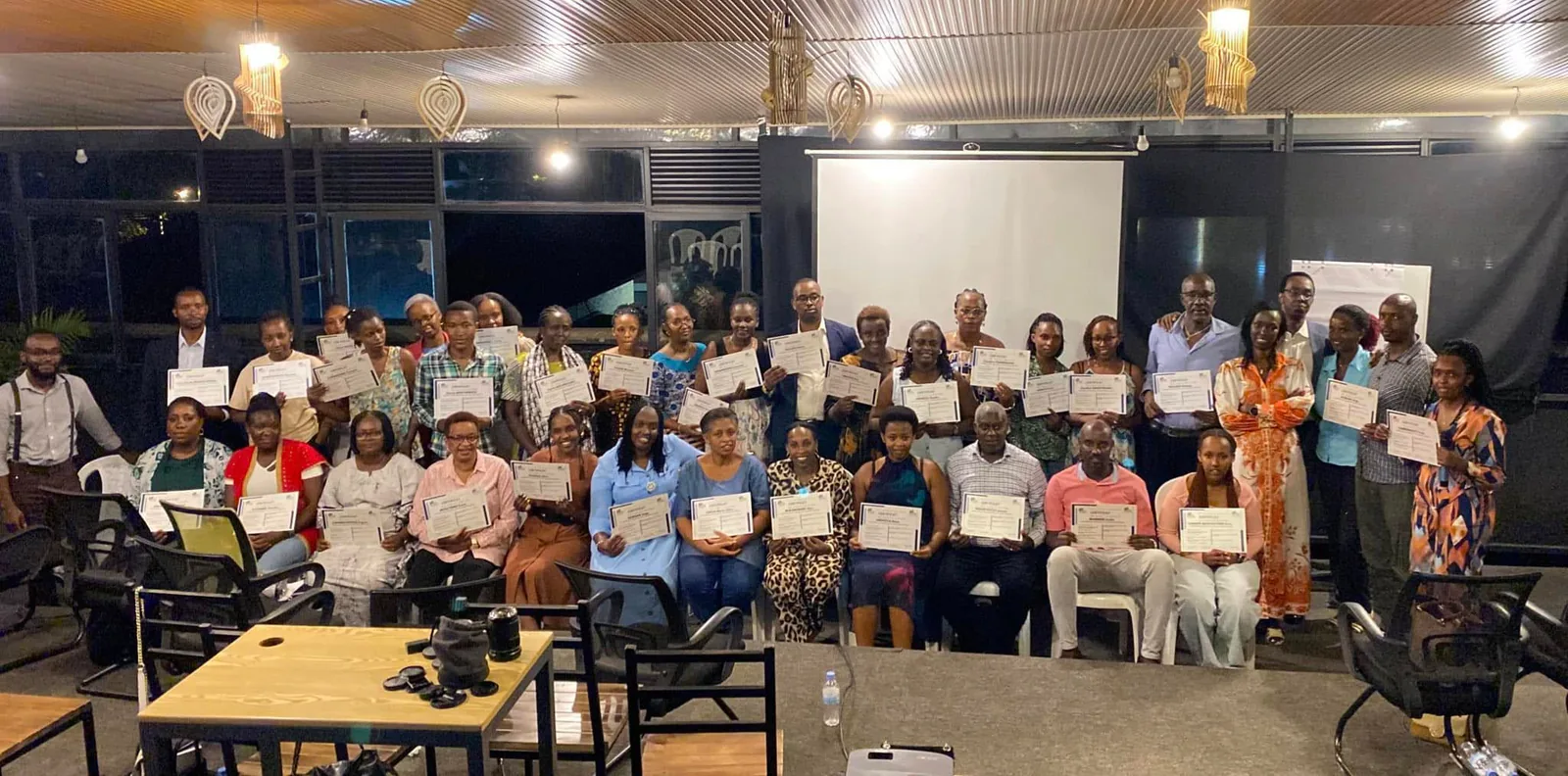
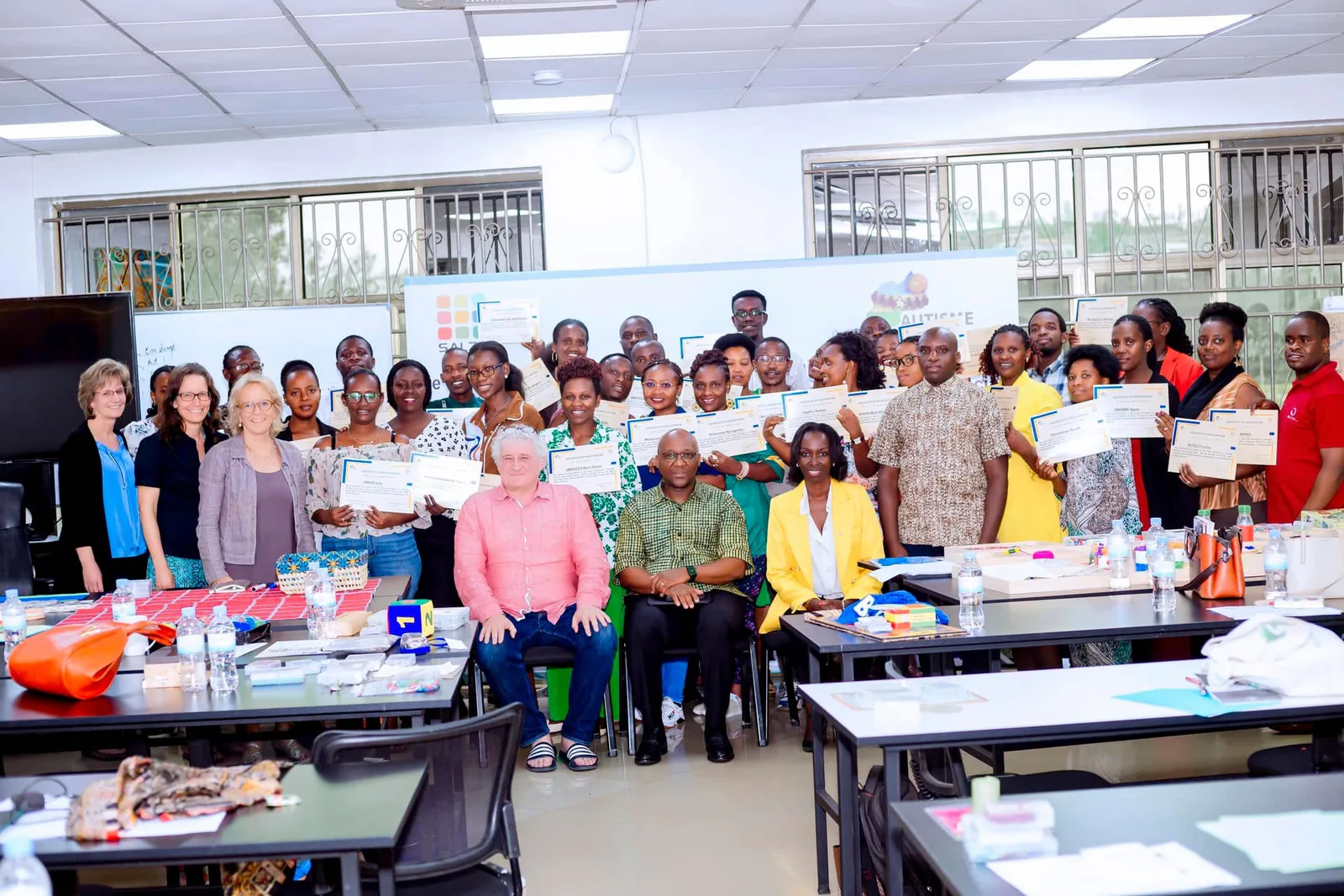
Photography courtesy of Autisme Rwanda
The first conversation is about local need, leadership and readiness—not a sales package.
Explore a partnership